
A chemical peel is not one universal treatment for every mark, bump, or wrinkle. The right choice depends on whether you have active acne, leftover discoloration, textural scarring, sun damage, or another condition, as well as your skin’s current health and your ability to follow recovery instructions.
Key takeaways
- Superficial peels target buildup, mild acne, discoloration, and uneven texture.
- Control active acne before treating lingering brown post-acne marks.
- Postpone treatment after sun exposure, skin irritation, or certain acne medicines.
- Confirm peel depth, ingredients, aftercare, risks, and practitioner credentials before booking.
Which skin concerns can a chemical peel improve?
Superficial peels work best on surface-level problems: they loosen buildup, reduce some acne and discoloration, and refine uneven texture. A chemical peel for acne may help mild active breakouts, while brown post-acne marks often respond better after active acne is controlled.
For brown acne marks, chemical peel treatment can fade excess pigment; red post-inflammatory marks need a different assessment and may not improve in the same way.
| Concern | What a peel may improve | When another approach is needed |
|---|---|---|
| Active acne | Mild acne and surface congestion | Persistent, painful, cystic, or scarring acne needs medical acne treatment |
| Brown marks and sun damage | Uneven pigmentation, freckles, and some sun spots | Gray-brown or recurring patches need assessment for melasma |
| Melasma | Carefully selected superficial treatment | Irritation and sunlight can deepen melasma, so cautious care and strict sunscreen matter |
| Texture, dullness, fine lines, and pores | Rough or scaly texture, dullness, fine surface lines, and enlarged-looking pores | Deep wrinkles and pronounced laxity will not be permanently removed |
| Pitted acne scars | Limited surface smoothing | Sharp depressions may need microneedling, laser treatment, subcision, or combination care |
Do not treat every dark spot as the same condition. A clinician should identify whether it is brown, red, gray-brown, raised, depressed, or changing before choosing a peel; a changing or raised mark may require medical evaluation rather than cosmetic treatment. A peel cannot permanently remove sharply indented scars, deep wrinkles, or significant skin laxity.
Who is a suitable candidate, and when should treatment wait?
A chemical peel candidate has medically intact skin in the treatment area, a specific and realistic goal, no uncontrolled skin disease, and enough flexibility to follow sunscreen and aftercare instructions. Chemical peel contraindications are not limited to allergies; the clinician must assess healing, infection, irritation, pigmentation, and scarring risks.
Before treatment, disclose:
- Isotretinoin use and the date it was stopped
- Prescription retinoids, exfoliating acids, benzoyl peroxide, and antibiotics
- Allergies, pregnancy, or breastfeeding
- Recurrent herpes or cold sores
- Keloids, hypertrophic scars, or dark marks after inflammation
| Situation | Decision | Why |
|---|---|---|
| Medically intact skin with a realistic goal | Candidate for assessment | The skin barrier can tolerate a planned treatment |
| Active bacterial, viral, or fungal infection; open wound; severe eczema or dermatitis flare; recent sunburn; or active cold sore | Postpone | A peel can worsen inflammation, infection, and delayed healing |
| Recent waxing, threading, laser treatment, or microneedling | Wait until reviewed | The barrier may still be irritated |
| Current or recent isotretinoin use | Defer medium-depth or deep resurfacing until the prescribing dermatologist decides timing | Isotretinoin and chemical peel planning requires individual medical judgment |
| Darker skin tone | Candidate with a conservative plan | Chemical peel for darker skin tones carries higher risks of post-inflammatory hyperpigmentation or hypopigmentation |
A history of keloids or abnormal scarring needs particular caution with deeper peels. Recurrent herpes may require preventive antiviral medicine, even without a sore on appointment day.
How does a consultation determine the peel depth and procedure plan?
The peel’s name alone does not establish its strength or suitability. A chemical peel consultation should assess the concern, skin tone, sensitivity, barrier condition, medication history, previous reactions, and any keloid or hypertrophic scarring before selecting a plan.
| Depth | What it reaches | Main planning implication |
|---|---|---|
| Superficial chemical peel | Outermost skin layers | Usually shorter downtime; often repeated as a course at intervals set by the chemical, concentration, skin response, and clinician’s protocol |
| Medium-depth chemical peel | Farther into the skin | More visible peeling and longer healing, with greater risks of prolonged redness, infection, scarring, and pigment change |
| Deep chemical peel | Deepest treatment level | Substantially longer recovery and closer medical supervision; stronger is not automatically better |
The procedure plan should specify cleansing, degreasing, protection for sensitive areas, solution application, expected stinging or warmth, neutralising when required, residue removal, and aftercare. Ask what happens minute by minute, when normal activities can resume, and which products must stop before and after treatment.
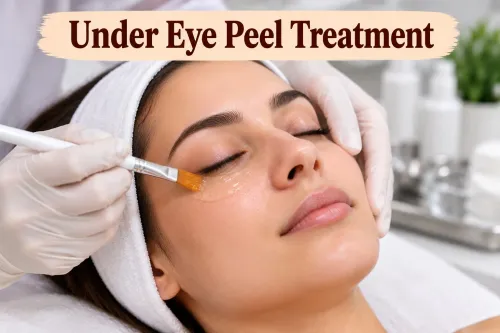
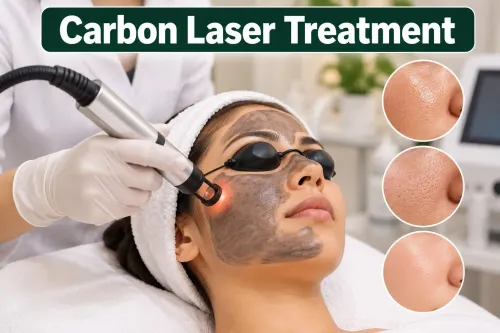
At Divine Aesthetics, this discussion can help you compare the proposed peel with acne or pigmentation care, microneedling radio frequency, or carbon laser treatment instead of choosing by name alone. Appointment length and downtime depend on the formulation and treated area.
Related services
Chemical Peel At Divine Aesthetics, our Chemical Peel service offers a rejuvenating and transformative skincare experience designed to enhance your natural beauty. View service → |
Yellow Peel Service Description from Divine Aesthetics At Divine Aesthetics, we proudly offer the transformative Yellow Peel, a cutting-edge chemical peel... View service → |
What recovery is normal, and which symptoms need medical review?
Normal chemical peel recovery can include tightness, mild redness, warmth, dryness, and flaking, but visible peeling does not prove the treatment worked. Chemical peel downtime depends on the formulation, concentration, treated area, and your individual response.
| Depth | Normal recovery | Expected downtime |
|---|---|---|
| Superficial | Tightness, mild redness, dryness, fine flaking, or no obvious shedding | Usually shorter; timing varies by product and skin response |
| Medium-depth | More redness, swelling, tightness, and sheet-like peeling | Longer healing with closer aftercare |
| Deep | Substantial peeling and prolonged sensitivity | Much longer recovery with medical supervision |
Do not pull flakes away or use scrubs to speed shedding. Do not restart retinoids, exfoliating acids, or other irritating products until your clinician approves them. Avoid tanning and strong sunlight, and follow the prescribed cleanser, moisturiser, and broad-spectrum sunscreen routine while the skin barrier repairs. Temporary darkening can follow inflammation or sun exposure.
Chemical peel side effects that need prompt medical review include:
- Blistering
- Severe or increasing pain
- Marked or worsening swelling
- Redness that spreads beyond the treated area
- Pus or other drainage
- Fever
- Increasing tenderness
These chemical peel warning signs are not routine shedding. Contact the treating clinician promptly instead of applying more exfoliant. A careful aftercare plan reduces complications, but deep peels require substantially longer supervision than superficial treatments.
What should you confirm before booking a chemical peel?
Before booking, define the problem and the result you expect. These chemical peel consultation questions help distinguish a suitable professional chemical peel from a poor match.
| Concern | Confirm at consultation | Chemical peel alternatives |
|---|---|---|
| Active acne, brown or red post-inflammatory discoloration | Which mark or lesion is being treated, and is acne controlled? | Acne treatment, pigment care, or vascular treatment |
| Melasma or sun damage | Could irritation or sunlight worsen the pigment? | Prescription pigment care or combination treatment |
| Rough texture, fine lines, enlarged-looking pores, or pitted scarring | Is surface renewal enough, or is the change deeper? | Microneedling, laser, subcision, or combination care |
Ask for these details before paying a deposit:
- The chemical name, concentration, intended depth, appointment time, planned number of sessions, recovery range, sunscreen requirements, and expected interval between treatments.
- Whether to stop prescription retinoids, exfoliating acids, benzoyl peroxide, waxing, threading, laser, or microneedling, and disclose every medicine, including non-prescription products.
- How pregnancy or breastfeeding changes the plan, whether recurrent herpes requires antiviral prevention, and what to do if a cold sore or sunburn appears.
Do not replace assessment with a high-strength home peel. Incorrect concentration, contact time, neutralisation, or chemical peel aftercare can cause burns, infection, scarring, and lasting pigment changes.
Proceed only when your skin is intact, the goal is realistic, the clinician knows your history, and you can follow the complete recovery plan.
Frequently asked questions
Which skin concerns can a chemical peel improve?
Superficial peels can loosen surface buildup and improve mild acne, some discoloration, and uneven texture. Brown post-acne marks often respond better after active acne is controlled.
Who is a suitable candidate for a chemical peel?
A suitable candidate has a treatable concern, realistic expectations, and skin that is healthy enough for the planned peel. A consultation must assess acne, irritation, sun exposure, medicines, and healing history.
When should chemical peel treatment wait?
Postpone treatment when your skin is sunburned, irritated, infected, or actively healing. Tell the practitioner about acne medicines and any history of abnormal scarring before treatment.
What recovery is normal after a chemical peel?
Redness, tightness, dryness, and controlled peeling can occur, depending on peel depth. Seek medical review for severe pain, spreading swelling, blistering, pus, fever, or breathing difficulty.
What should you confirm before booking a chemical peel?
Confirm the peel’s ingredients and depth, expected results, downtime, aftercare, risks, practitioner qualifications, hygiene procedures, and who to contact if a complication develops.
Related service
Black Peel Divine Aesthetics: Black Peel Service At Divine Aesthetics, we are proud to offer our specialized Black Peel treatment, designed to rejuvenate and... View service → |