

Excess sebum, visible pores, congestion, and rough patches can look similar but respond to different treatments. By the end, you will know what happens during a carbon laser facial, which texture concerns it can realistically improve, when another option makes more sense, and what safety questions to ask before booking.
Key takeaways
- Carbon laser uses a carbon lotion and Q-switched 1064-nm Nd:YAG laser.
- It can improve excess oil, clogged pores, dullness, and mild uneven texture.
- Delay treatment after recent tanning, active irritation, or certain photosensitising medicines.
- Ask about laser settings, practitioner qualifications, aftercare, risks, and expected sessions.
What Happens During a Carbon Laser Facial
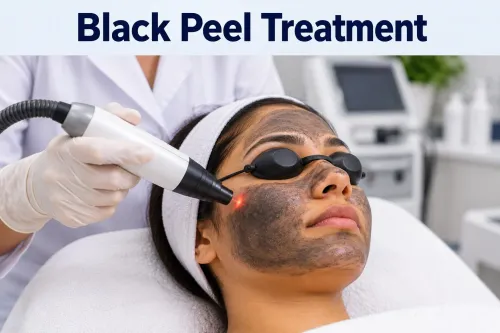
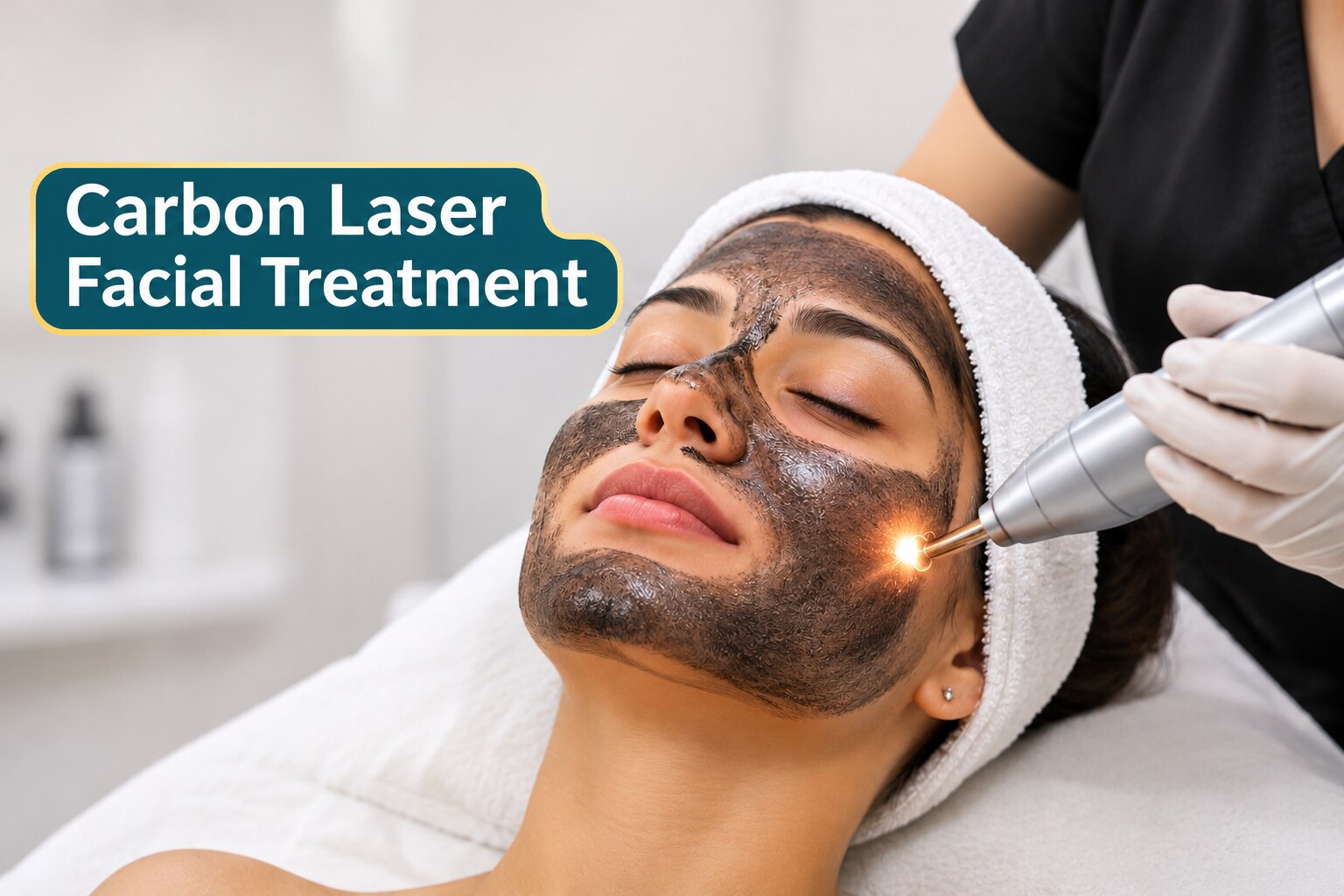
A carbon laser facial is performed by coating clean, dry skin with a carbon-containing lotion, allowing it to dry, and then passing a Q-switched 1064-nm Nd:YAG laser over the treated area.
- During the carbon mask application, the lotion settles into surface irregularities, follicles, and oily areas.
- The laser delivers short pulses absorbed by the carbon layer. That energy fragments and lifts carbon particles along with attached oil, loose dead skin, and superficial debris.
- The treated material is removed as the clinician moves across the face, then the skin is cleansed. A soothing product and sunscreen usually follow.
The carbon layer acts as a target for the laser rather than as a permanent pore treatment. Its rapid heating helps disrupt sebum within the follicle and removes oil-loaded surface material, so skin can look cleaner and less shiny for a limited period.
It does not permanently shrink or remove sebaceous glands, and it cannot erase pores or rebuild deeper acne-scarred skin.
By clearing superficial buildup, the procedure can leave skin feeling smoother and make enlarged pores appear less prominent. It is not the same as ablative CO2 resurfacing, which vaporizes skin and involves more wound care and downtime.
Because 1064-nm laser light is invisible, you must wear wavelength-specific eye protection throughout treatment. The carbon product itself can irritate sensitive or recently treated skin, so disclose eczema, rosacea, allergies, active irritation, and recent cosmetic procedures before application.
Which Oil and Texture Problems Can It Improve?
Carbon laser is best suited to surface oil, mild congestion, and roughness—not deep acne scarring. It can temporarily reduce visible excess sebum and loosen debris around follicles, leaving skin smoother and pores less noticeable. It does not permanently shrink sebaceous glands.
| Concern | What carbon laser can realistically change | Where it falls short |
|---|---|---|
| Surface oil and congestion | Temporarily reduces surface oil and carbon-loaded debris; may improve blackheads and sebaceous filaments | Oil production usually returns; it is not long-term acne or sebum control |
| Enlarged pores | Makes pores look smaller after superficial buildup and oil are reduced | It cannot permanently close pores or remove their underlying structure |
| Dehydration roughness | Removes surface scale, so skin may feel softer and look more even | It does not repair a damaged moisture barrier or replace a moisturising routine |
| Mild, non-inflamed acne | May improve limited comedonal congestion and the appearance of uneven skin texture | A significant inflammatory acne flare needs assessment before treatment |
| Shallow acne marks | May soften their appearance when unevenness is superficial | It is not a dependable treatment for depressed scars |
| Deep ice-pick, rolling, or boxcar scars | Little meaningful structural correction | These scars involve dermal loss or tethering and need treatments designed for deeper remodeling |
A smoother result after one session can reflect removal of scale and debris rather than new collagen formation. Carbon laser also should not replace treatments that address acne causes, such as topical retinoids, benzoyl peroxide, salicylic acid, or prescribed therapy. Treating over open wounds or an active infection increases irritation and healing risks.
Who Should Wait or Choose a Different Treatment?
Postpone treatment over a skin infection, open wound, sunburn, or a significant flare of inflammatory acne. Sensitive skin or a damaged barrier can react with prolonged redness, burning, or delayed healing, so treat the underlying problem first and confirm that the skin has recovered.
| Situation | Safer decision | Why it matters |
|---|---|---|
| Active bacterial, viral, or fungal skin infection | Wait until assessed and treated | Laser energy can worsen irritation and spread complications |
| Recent chemical peel, microneedling, waxing, injectable treatment, or abrasive procedure | Wait until the skin is fully healed; follow the treating clinician’s interval | Stacking injury increases inflammation and pigment change |
| Recent tanning or strong sun exposure | Reschedule until the tan or sunburn has settled; use broad-spectrum sunscreen and avoid tanning | UV exposure raises the risk of post-inflammatory hyperpigmentation |
| Retinoids, exfoliating acids, abrasive scrubs, photosensitising medicines, or oral isotretinoin | Do not stop a prescription without its prescriber; obtain individualized pause and restart instructions | The correct interval depends on your skin and laser settings |
| Medium-to-dark skin tone or a history of post-inflammatory hyperpigmentation | Request conservative settings and discuss a test spot | Pigment risk is higher, though skin tone alone does not exclude treatment |
Ask for an assessment if the problem could be rosacea, folliculitis, or seborrhoeic dermatitis rather than simple oiliness. Choose another plan when the risk of burns, blistering, infection, prolonged redness, or pigment loss outweighs a temporary texture improvement.
How Carbon Laser Compares with Other Oil and Texture Treatments
Choose carbon laser when you want a short-term cosmetic improvement in surface oil, mild congestion, visible pores, or rough-feeling texture, and you do not need treatment for the underlying acne process or deep scarring. Its results are less established and less durable than evidence-based acne care.
| Option | Best fit | Choose it over carbon laser when |
|---|---|---|
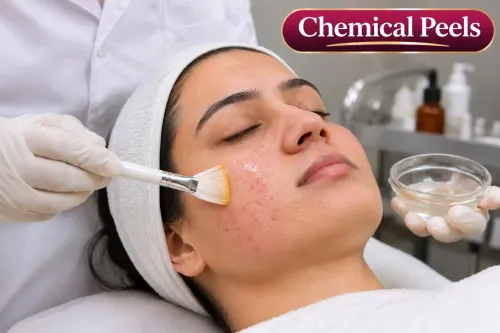
| Chemical peel | Oil, congestion, discoloration, or roughness | You need controlled exfoliation for a specific concern, and the clinician can select an appropriate acid and strength. |
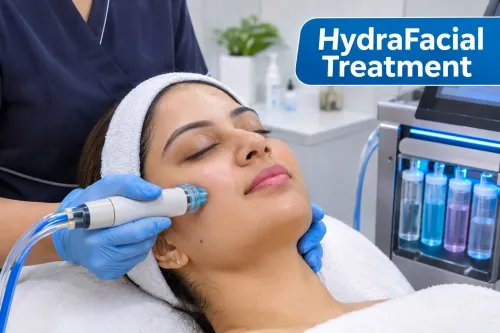
| Hydrafacial | Temporary cleansing, hydration, and surface smoothness | Dehydration or dullness matters more than longer-lasting oil reduction. |
| Manual extraction | A few accessible blackheads or whiteheads | You need targeted removal rather than broad, temporary resurfacing; forceful extraction can worsen inflammation. |
| Microneedling/MNRF | Depressed acne scars and deeper textural irregularity | Structural collagen remodeling is the goal. Carbon laser is not reliable for ice-pick, rolling, or boxcar scars. |
| Salicylic acid | Comedones and excess oil | You want repeatable home maintenance that helps keep pores clear. |
| Topical retinoids | Ongoing comedonal acne and cell-turnover control | You need treatment that addresses recurring clogging rather than a session-based surface effect. |
| Prescription acne treatment | Inflamed, persistent, or scarring acne | A clinician identifies acne, rosacea, folliculitis, or seborrhoeic dermatitis and treats the cause. |
Carbon laser makes sense when superficial improvement is the priority and downtime or stronger peeling is undesirable. Choose medical acne treatment first for painful, widespread, or worsening breakouts; a carbon session should not replace it.
What to Ask Before You Book a Carbon Laser Session
Before booking, verify that a qualified clinician will assess your skin and operate the laser, rather than handing treatment to an unsupervised technician. Ask for the following in writing:
- The device name, wavelength, fluence, pulse duration, spot size, passes, and session interval. “Safe settings” is not a useful answer.
- 1064-nm Nd:YAG eye protection for you and everyone in the room, plus a controlled treatment area that prevents accidental beam exposure.
- The carbon lotion ingredients and instructions for reporting allergy, eczema, rosacea, irritation, or reactions to cosmetics.
- A test spot when you have medium-to-dark skin, a history of pigmentation, or recent tanning. It reduces uncertainty but cannot guarantee no pigment change.
- A treatment plan stating the expected number of sessions, review date, alternatives, and whether acne treatment is needed instead of relying on temporary surface improvement.
- Aftercare covering sun protection, tanning avoidance, cleansing, moisturising, and when to restart retinoids, exfoliating acids, or scrubs.
If you are comparing Divine Aesthetics with another provider, use identical questions so marketing claims do not replace safety details.
| Item | Clear answer | Warning sign |
|---|---|---|
| Provider | Named clinician assesses and treats you | “Any available therapist” |
| Settings | Exact wavelength and adjustable parameters explained | “We use one setting for everyone” |
| Risk control | Test spot, eye protection, pigment plan | No discussion of skin tone or complications |
| Aftercare | Written, personalised instructions | Generic message to “avoid sunlight” |
Related service
Corbon Lazer Service at Divine Aesthetics At Divine Aesthetics, our Corbon Lazer Service stands out as a premier solution for achieving flawless, radiant skin. View service → |
Frequently asked questions
What happens during a carbon laser facial?
The practitioner cleans and dries your skin, applies a carbon-containing lotion, lets it dry, then passes a Q-switched 1064-nm Nd:YAG laser over the treated area.
Which oil and texture problems can carbon laser improve?
It can help reduce excess surface oil and improve the appearance of clogged pores, dullness, and mild uneven skin texture. It is not a treatment for deep acne scars.
Who should wait or choose a different treatment?
Wait if your skin is sunburned, recently tanned, irritated, or infected. Discuss alternatives if you have deep scarring, active severe acne, or take photosensitising medication.
How does carbon laser compare with other oil and texture treatments?
Carbon laser is a low-downtime option, while chemical peels, microneedling, and fractional laser use different mechanisms and involve different recovery, risks, and results.
What should you ask before booking a carbon laser session?
Ask who will perform it, which laser and settings will be used, how many sessions you may need, what results are realistic, and how the clinic manages burns, pigmentation changes, and aftercare.