
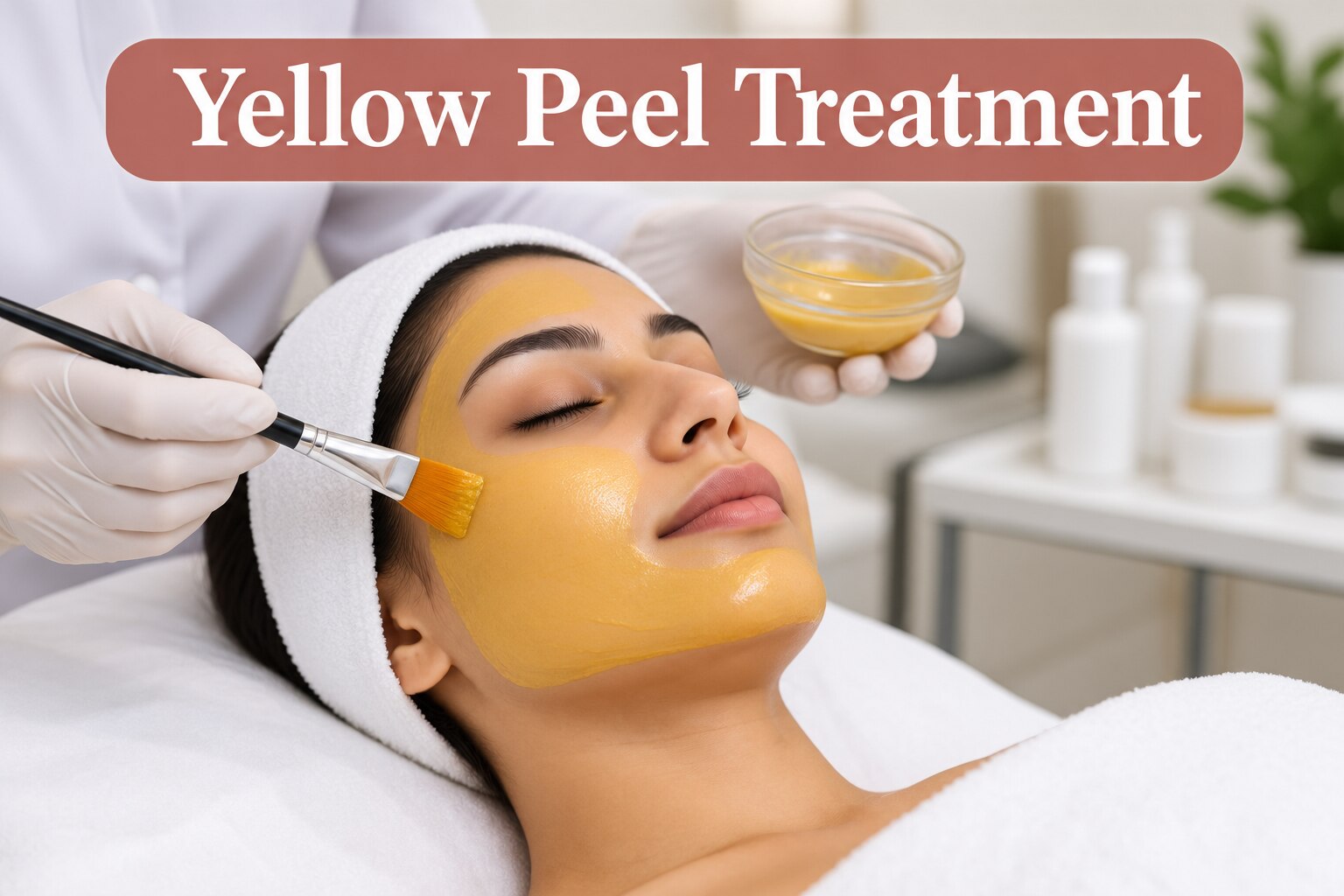
Uneven tone is not one diagnosis, and “yellow peel” does not identify one standardized formula. You will learn how the ingredient list, pigment type, application method, recovery pattern and maintenance plan determine whether this treatment is a sensible option for your skin.
Key takeaways
- The formula, not the peel’s yellow color, determines its effect on pigmentation.
- Ask which acids are included and how the clinician will assess your skin first.
- Expect a planned recovery period and strict protection from ultraviolet exposure.
- Choose a treatment course based on your pigment diagnosis, skin sensitivity and goals.
What a Yellow Peel Does to Pigment—and What It Cannot Diagnose
A yellow peel loosens pigmented surface cells and speeds epidermal turnover; its effect on excess melanin depends on the formula, not its color. Yellow peel ingredients may include retinoic acid, azelaic acid, kojic acid and phytic acid, with some products also containing salicylic acid.
A retinoic acid peel can increase cell renewal, while kojic acid and azelaic acid target melanin production or abnormal pigment activity. Phytic acid provides additional brightening action in some formulations.
“Yellow peel” is not a standardised procedure. Ask for the product name, active concentrations, pH, contact time and expected downtime before comparing treatments. A retinoid-containing formula also requires disclosure of pregnancy, breastfeeding or plans to conceive because retinoids are generally avoided during pregnancy.
Pigment pattern and cause must be assessed before treatment:
| Condition | What assessment clarifies | Peel relevance |
|---|---|---|
| Melasma | Symmetry, hormonal triggers and depth | Recurrence and irritation risk require careful planning |
| Post-inflammatory hyperpigmentation | Previous acne, eczema, burns or procedures | Treating ongoing inflammation can worsen dark marks |
| Solar lentigines | A discrete sun-related spot versus a changing lesion | A clinician may need to exclude another diagnosis first |
| Drug-induced pigmentation | Medicines or supplements linked to colour change | Removing the trigger matters more than peeling alone |
| Hormonal or systemic disorders | Pigment with other symptoms or unusual distribution | Medical evaluation may be needed before cosmetic treatment |
A peel cannot diagnose the cause of pigmentation. Active eczema, dermatitis, sunburn, infection or broken skin should be treated or healed before application.
What Happens During a Yellow Peel Appointment
The clinician should identify the exact product before starting the yellow peel procedure. Ask for its active ingredients, concentrations, pH, expected downtime and whether it is designed to be neutralised, rinsed off or left on. Disclose pregnancy, breastfeeding, plans to conceive, retinoid use, allergies and any history of cold sores.
1. The clinician examines the skin for active eczema, dermatitis, sunburn, open wounds, herpes or another infection. Treatment is postponed if inflamed or broken skin could allow excessive penetration, infection or darker post-inflammatory marks.
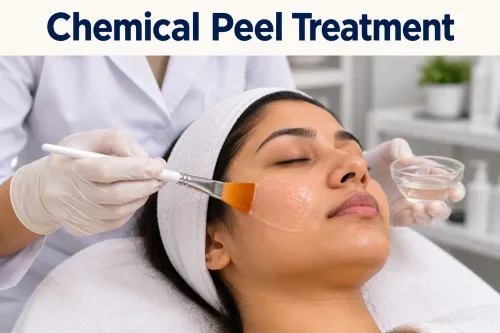
2. Skin cleansing and degreasing removes makeup, sunscreen and surface oil. The clinician then protects sensitive borders such as the eyelids, nostril creases and lip edges before applying an even, controlled layer.
3. Treatment boundaries are chosen from the pigment pattern, skin sensitivity and treatment goal. Full-face versus spot treatment is not interchangeable: a full-face application addresses diffuse uneven tone, while spot treatment limits exposure around isolated marks. The clinician should not treat unexplained, changing or suspicious lesions as pigmentation.
4. The peel contact time follows the specific formula and your visible response, not the product’s yellow colour. Burning, marked redness or swelling can require immediate removal.
5. Removal depends on the formulation. The clinician neutralises or rinses off a removable peel, while a leave-on retinoid-based peel stays for the instructed period before you wash it away. Post-treatment products usually focus on barrier protection and sun protection; irritating acids, retinoids and scrubs resume only when the skin has recovered.
How Yellow Peel Compares With Other Pigment Treatments
A yellow peel is not a standard strength or formula, so compare the ingredient list rather than the colour. Ask for the product name, active ingredients, concentration, pH, contact time, expected peeling and contraindications.
A retinoid-containing formula requires disclosure of pregnancy, breastfeeding or plans to conceive because topical tretinoin and related retinoids are generally avoided as a precaution.
| Option | What it means | When it applies |
|---|---|---|
| Yellow peel | Proprietary superficial blend, often containing retinoic acid with azelaic, kojic, phytic or salicylic acid | Consider only when the clinic identifies the exact formula and manages irritation risk |
| Glycolic acid peel | Alpha-hydroxy acid that loosens surface cells; strength and pH influence penetration | Surface dullness and superficial uneven tone |
| Lactic acid peel | Milder alpha-hydroxy acid with exfoliating and hydrating action | Dry or sensitive skin needing a gentler option |
| Mandelic acid peel | Larger-molecule alpha-hydroxy acid with slower penetration | Sensitive, acne-prone skin where irritation is a concern |
| Salicylic acid peel | Oil-soluble beta-hydroxy acid that enters sebum-rich pores | Oily skin, comedones and some superficial discoloration |
| TCA peel | Trichloroacetic acid with deeper, more injury-dependent effects | Selected cases requiring tighter medical supervision |
| Topical products | Daily agents such as azelaic acid, hydroquinone or retinoids | Maintenance and melasma, where relapse prevention matters |
| Device-based treatments | Light, laser or energy-based treatment targeting pigment or skin structure | Carefully diagnosed pigment that has not responded to topical care |
Peels mainly affect superficial discoloration. Gray-blue or slate pigment responds less predictably, and aggressive treatment can worsen it. For melasma, sunscreen, trigger control and topical treatment usually remain essential; a procedure alone invites recurrence. Do not peel active eczema, dermatitis, sunburn, wounds or infection.
Recovery, Treatment Courses and the Risk of Darker Marks
Yellow peel downtime usually includes stinging during application, followed by redness, tightness, dryness and flaking. Peeling and temporary darkening can appear as the surface sheds; the treated area should gradually settle before the next session, so ask the clinician for the product-specific recovery timeline.
A pigmentation course uses repeated superficial treatments spaced by several weeks, not automatic back-to-back applications. The next session belongs only after your skin has recovered and the clinician has reassessed the response.
Before booking, obtain:
- The exact product name, active ingredients, concentration, pH and expected downtime
- The planned number of sessions and minimum interval between them
- The aftercare products, sun-avoidance instructions and emergency contact process
Excessive inflammation can create post-inflammatory hyperpigmentation, leaving darker marks that outlast the original discoloration. This risk deserves extra caution in Fitzpatrick skin types IV to VI and if acne, an injury or a previous procedure has caused dark marks; conservative strength, wider spacing and a test area can reduce risk.
Postpone treatment over active eczema, dermatitis, sunburn, open wounds, herpes or another skin infection. Contact the treating clinician promptly for blistering, severe pain, marked swelling, spreading crusts or pigment change that persists beyond the stated recovery period.
A darker patch also needs reassessment rather than repeated peeling, because melasma, medication-related pigmentation and other causes require different treatment.
How to Protect the Result and Choose a Safe Treatment Plan
A safe plan starts with diagnosis, not the shade of one dark patch. Confirm that a clinician has assessed whether the problem is melasma, post-inflammatory hyperpigmentation, a solar lentigo or another cause before choosing a peel.
Before booking, ask for:
- The exact product name, active ingredients, concentrations and pH
- The planned treatment area, contact time, removal method and expected downtime
- The yellow peel contraindications, including pregnancy, breastfeeding, plans to conceive, active eczema, dermatitis, infection, open skin and recent isotretinoin use
- Written instructions for stopping irritating products and managing a reaction
- An emergency contact arrangement and the clinician’s plan if pigmentation becomes darker
A retinoid-containing formula is not automatically safe in pregnancy. Tell the practitioner about pregnancy, breastfeeding and conception plans, then check every active ingredient rather than relying on the label “yellow peel.” Divine Aesthetics should be able to explain these product-specific details before you consent.
| Protection measure | What it reduces | How to use it |
|---|---|---|
| Broad-spectrum sunscreen SPF 30 | Ultraviolet stimulation of melanin | Apply every morning and reapply during outdoor exposure |
| Tinted sunscreen with iron oxides | Visible-light stimulation, especially relevant to melasma | Use a properly tinted product on exposed facial skin |
| Trigger control | Relapse from heat, sun, irritation or hormonal triggers | Use shade, hats and gentle products; avoid picking or scrubbing |
| Melasma maintenance | Recurrence after the initial improvement | Follow the clinician’s ongoing topical and review plan |
Without protection and maintenance, the peel improves colour temporarily while the underlying tendency to produce excess melanin remains.
Related service
Yellow Peel Service Description from Divine Aesthetics At Divine Aesthetics, we proudly offer the transformative Yellow Peel, a cutting-edge chemical peel... View service → |
Frequently asked questions
What does a yellow peel do to pigmentation?
It loosens pigmented surface cells and speeds epidermal turnover. Its effect on excess melanin depends on ingredients such as retinoic acid, azelaic acid, kojic acid, phytic acid or salicylic acid.
What happens during a yellow peel appointment?
A clinician assesses your skin, reviews your pigment concerns and selects a formula and application plan. The appointment should also cover expected recovery, aftercare and warning signs.
How does a yellow peel compare with other pigment treatments?
A yellow peel targets surface turnover through a chemical formula. Other treatments differ in their active ingredients, depth, downtime and suitability for your pigment type and skin sensitivity.
Can a yellow peel cause darker marks?
Yes. Irritation, inflammation and ultraviolet exposure can worsen pigmentation after treatment. Following the recovery plan and protecting treated skin from sunlight helps reduce that risk.
How should you protect yellow-peel results?
Follow the clinician’s aftercare instructions, avoid picking or irritating peeling skin, and use consistent ultraviolet protection. A clinician can also decide whether a treatment course is appropriate.