


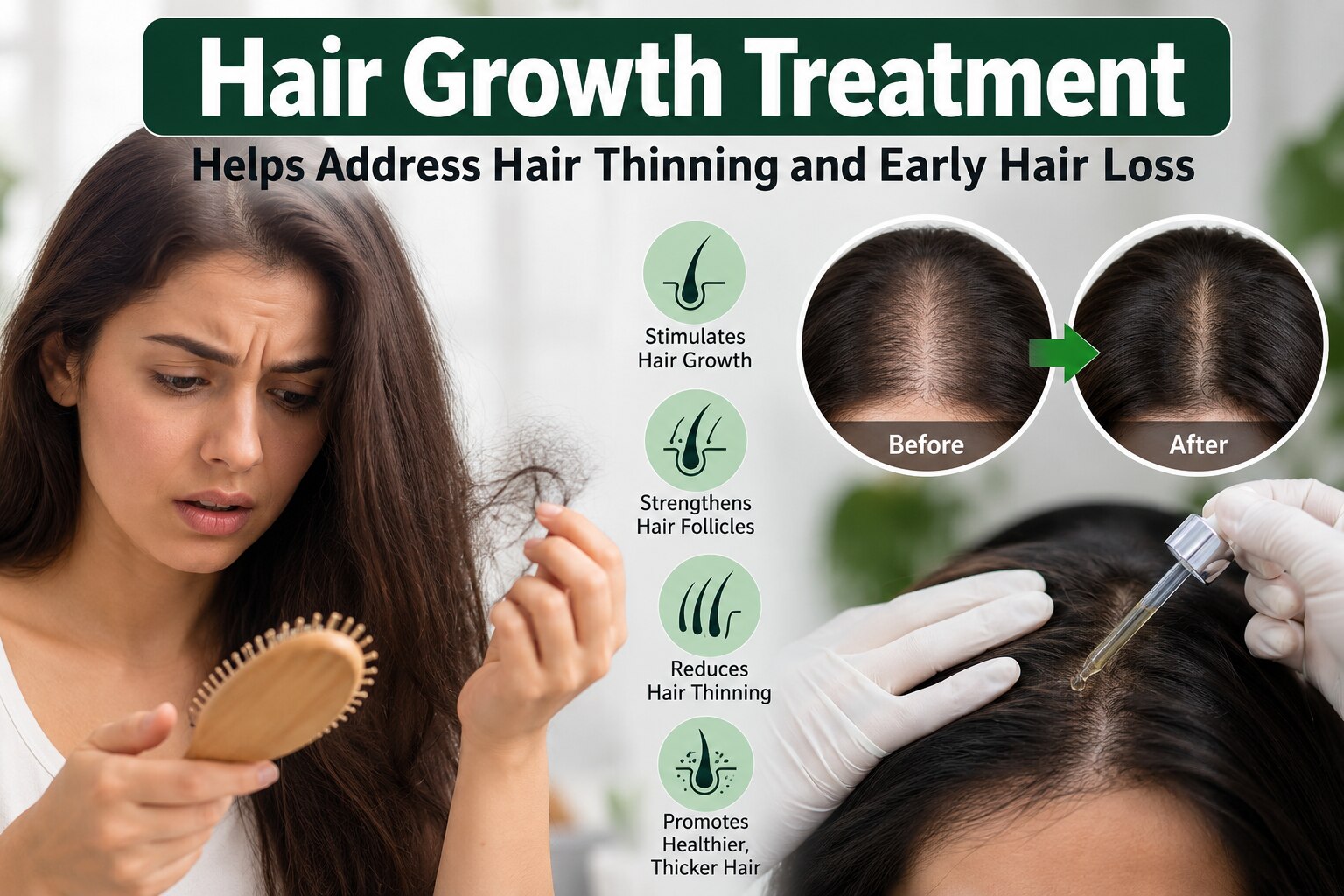
More hair on your pillow does not identify the cause: normal shedding, temporary telogen effluvium, pattern hair loss and scalp disease can look alike at first. By the end, you will know which signs need a dermatologist, what an assessment can test, how treatments work, and how long meaningful change usually takes.
Key takeaways
- Track consistent photos to distinguish shedding from progressive thinning.
- See a dermatologist when hair loss persists, accelerates, or creates visible scalp changes.
- Treatment choice depends on the cause, medical history, and scalp findings.
- Judge progress with consistent photographs and realistic treatment timelines.
Is your hair shedding normal, or is thinning beginning?
Loose hairs alone do not prove early hair loss. Normal hair shedding is usually diffuse, with no obvious change in your part, hairline or ponytail thickness. Hair thinning becomes more likely when the change persists and is visible in consistent photographs taken with the same lighting and hair position.
| Sign or pattern | More consistent with | What to notice |
|---|---|---|
| Diffuse shedding with unchanged density | Normal daily shedding | Hair comes out during washing or brushing, but the scalp looks the same |
| Gradual loss of density at the crown or a widening part | Pattern hair loss | Individual hairs look finer and the part expands over months |
| Temples moving backward in a stable, progressive shape | Receding hairline | Compare the hairline with older photographs; uneven breakage points to styling damage instead |
| Heavy shedding across the scalp several months after fever, surgery, childbirth, rapid weight loss or severe stress | Telogen effluvium | Shedding is widespread; density can recover gradually after the trigger is addressed |
| One or more smooth, sharply defined bare areas | Patchy alopecia, including alopecia areata | The patch may enlarge, and short tapered “exclamation mark” hairs can appear at its edge |
Sudden shedding, eyebrow loss, or scalp pain, burning, redness, scaling, pustules or shiny skin needs prompt dermatology assessment. A clinician can examine follicles with trichoscopy and investigate conditions such as thyroid disease, iron deficiency or inflammatory alopecia; treating presumed pattern loss first can delay care, and scarring can permanently destroy follicles.
What causes early hair loss, and when should you see a dermatologist?
A family tendency is the commonest explanation for gradual pattern thinning, called androgenetic alopecia. Other causes of hair loss include thyroid disease, iron or vitamin B12 deficiency, hormonal changes, medication effects, severe illness, rapid weight loss and prolonged stress.
Postpartum hair loss and telogen effluvium often begin several months after childbirth, fever, surgery, emotional strain or a drug change.
| Cause | Typical clue | Why examination matters |
|---|---|---|
| Androgenetic alopecia | Gradual widening part, crown thinning or receding temples | Treatment aims to preserve miniaturized follicles |
| Telogen effluvium | Diffuse shedding after illness, childbirth, stress, weight loss or medication change | Treating the trigger matters more than an immediate growth procedure |
| Alopecia areata | Smooth, sharply defined bald patches; eyebrow loss can occur | Autoimmune treatment differs from pattern-loss treatment |
| Traction alopecia | Thinning along tight braids, ponytails, extensions or repeated pulling | Continued traction can cause permanent follicle damage |
| Scarring or inflammatory alopecia | Pain, burning, intense itch, redness, scale, pustules or shiny skin | Destroyed follicles cannot reliably regrow; early treatment can limit spread |
Book a dermatologist’s examination before starting treatment if shedding is sudden, bald patches appear, eyebrows thin, or the scalp hurts, burns, itches intensely, scales, reddens or develops pustules. Also seek evaluation when hair loss follows a new medicine, menstrual changes, fatigue, cold intolerance or unexplained weight change.
A clinician can inspect the scalp with dermoscopy and choose tests such as a complete blood count, ferritin, thyroid-stimulating hormone or vitamin B12 when your history supports them.
What happens during a hair-loss assessment?
A hair-loss diagnosis starts with finding the pattern, timing and trigger rather than assuming every thinning area is genetic.
1. The clinician asks when shedding began, whether it is sudden or gradual, recent illness, fever, surgery, major stress, childbirth, diet changes and new medicines. They also review tight hairstyles, chemical treatments and symptoms such as scalp pain, scaling, itching or eyebrow loss.
2. Family history helps identify androgenetic pattern loss. The clinician then examines the scalp for a widening part, receding hairline, bald patches, redness, pustules, shiny skin or missing follicular openings. Scarring signs need prompt attention because destroyed follicles cannot regrow.
3. During a hair-pull test, the clinician gently holds a small group of hairs and counts those released. Excess release supports active shedding, but the result depends on recent washing and handling, so it does not identify the cause alone.
4. Trichoscopy uses magnification and light to compare hair-shaft thickness, follicle openings and scalp changes. Variation in shaft diameter supports pattern loss; exclamation-mark hairs suggest alopecia areata, while broken hairs or inflammation point elsewhere. A biopsy may follow when scarring or an unclear diagnosis is suspected.
5. Blood tests target clues from your history and examination. A complete blood count checks anaemia, a ferritin test assesses iron stores, and thyroid-stimulating hormone tests thyroid function; vitamin B12 or vitamin D testing applies when symptoms or risk factors support it. The findings prevent treatment from masking a correctable illness.
Which hair growth treatments help, and who can use them safely?
Topical minoxidil is an established hair growth treatment for male and female pattern loss: it prolongs the growth phase, reduces shedding and helps preserve density, but benefits fade after stopping. Oral minoxidil works through the same pathway and is prescribed off-label at low doses when topical treatment is unsuitable.
| Option | How it works | Key limits and safety points |
|---|---|---|
| Topical minoxidil | Stimulates miniaturized follicles | Irritation, scaling or facial hair can occur; foam may suit sensitive scalps better than liquid |
| Oral minoxidil | Systemic follicle stimulation | Can cause light-headedness, fast heartbeat, fluid retention or ankle swelling; review blood pressure and heart history |
| Finasteride for hair loss | Lowers dihydrotestosterone and slows follicle miniaturization | Mainly used in men; sexual or mood-related adverse effects require medical review |
| Dutasteride | Blocks more types of 5-alpha-reductase than finasteride | Often off-label; specialist supervision is essential |
| Platelet-rich plasma | Concentrated platelets are injected to signal follicle repair | Results vary with platelet concentration, activation, injections and session number |
| Microneedling | Creates controlled scalp micro-injuries that stimulate repair | Infection and irritation are possible; it is usually an adjunct |
| Low-level light therapy | Repeated light exposure may modestly improve density | Device design and consistent use determine results |
| Nutritional correction | Replaces a confirmed iron, B12 or other deficiency | Supplements do not treat pattern loss when levels are normal |
Women who are pregnant, trying to conceive or breastfeeding need clinician-led choices. Avoid finasteride and dutasteride in pregnancy; do not handle crushed finasteride tablets. Discuss minoxidil during pregnancy or breastfeeding. Men taking heart or blood-pressure medicines need interaction and pulse review before oral minoxidil.
How long does treatment take, and how should you judge whether it is working?
Reduced shedding can appear before visible regrowth. For pattern hair loss, judge a hair loss treatment timeline over at least three to six months, with clearer density changes often taking six to twelve months. Treatment usually preserves miniaturized follicles more reliably than it creates entirely new density; a destroyed follicle cannot be revived.
| Option | Realistic change | Timeline and maintenance |
|---|---|---|
| Topical or oral minoxidil | Less shedding, thicker existing hairs, some added density | Assess after 3–6 months; continue to retain benefits |
| PRP for hair loss | Possible density improvement in some people | Compare the number and spacing of sessions; maintenance is commonly needed |
| Low-level light therapy | Modest density improvement for some pattern-loss patients | Requires repeated device-specific use; it is an adjunct, not a substitute for diagnosis |
| Telogen effluvium care | Gradual recovery after treating the trigger | Shedding can follow illness, surgery, weight loss or childbirth by several months; regrowth takes months |
Do not judge progress from one bathroom-mirror glance. Use identical monthly photographs—same parting, lighting, distance and dry-hair condition—and ask for hair density monitoring with standardized images or trichoscopy. A clinic should document baseline findings, define the review date and explain what happens if shedding continues.
When comparing Divine Aesthetics with another clinic, request the exact protocol: product or device name, dose or injection schedule, session count, expected maintenance, risks and total review period. Be cautious of guaranteed regrowth claims, especially for PRP or light devices; a sound plan measures reduced shedding and preserved hairs separately from genuinely increased density.
Related services
Hair growth treatment At Divine Aesthetics, we offer a comprehensive hair growth treatment designed to address a variety of concerns related to hair loss and thinning. View service → |
Hair fall treatment At Divine Aesthetics, we offer comprehensive hair fall treatment services designed to address hair loss and promote healthy hair growth. View service → |
Frequently asked questions
How can you tell whether hair shedding is normal or thinning is beginning?
Normal shedding is usually diffuse, while thinning causes a persistent visible change in the part, hairline, or ponytail thickness. Compare photographs taken with the same lighting and hair position.
What causes early hair loss, and when should you see a dermatologist?
Early hair loss can have several causes, including hereditary pattern loss, illness, nutritional problems, hormonal changes, medications, and scalp conditions. See a dermatologist when shedding persists, accelerates, or produces visible thinning.
What happens during a hair-loss assessment?
A dermatologist reviews your shedding pattern, medical history, medications, nutrition, recent illness, and family history, then examines the scalp and hair density. Further tests depend on the findings.
How long does hair-growth treatment take to show results?
Hair growth takes time, so progress is judged over repeated months rather than days. Use consistent photographs and compare shedding, part width, hairline, and overall density.